

Cold chain management: what it is and how it works
Cold chain management for the pharmaceutical and food industries: how it works and why it is important to rely on specialized logistics partners.
Cold chain management is critical for all companies that manufacture or distribute temperature-sensitive products, such as pharmaceuticals, vaccines, perishable foods, cosmetics, and chemicals.
For these industries, even small temperature variations can compromise the quality, safety and efficacy of products, with legal, economic and reputational risks. Relying on a specialized logistics partner therefore means guaranteeing high standards of storage, transport and monitoring, from production to final delivery.
What is the cold chain and how does it work
Cold chain management is an integrated system for storing, transporting and monitoring temperature-controlled products.
The goal is to keep products within specific temperature ranges, avoiding any interruption that could compromise quality and safety.
The main ranges used in cold chain management are:
- Cryogenic: -80°C to -180°C, for highly sensitive materials such as some vaccines or biological samples.
- Frozen: approx. -20°C, for frozen foods and pharmaceuticals that need to maintain long-term stability.
- Refrigerated: +2°C to +8°C, ideal for medicines, vaccines and fresh food products.
- Ambient temperature: +15°C to +25°C, for products that do not require refrigeration but still need to be stored in stable conditions.
The key elements of the cold chain
To ensure the compliance with these temperatures and product safety, the cold chain is based on some fundamental components:
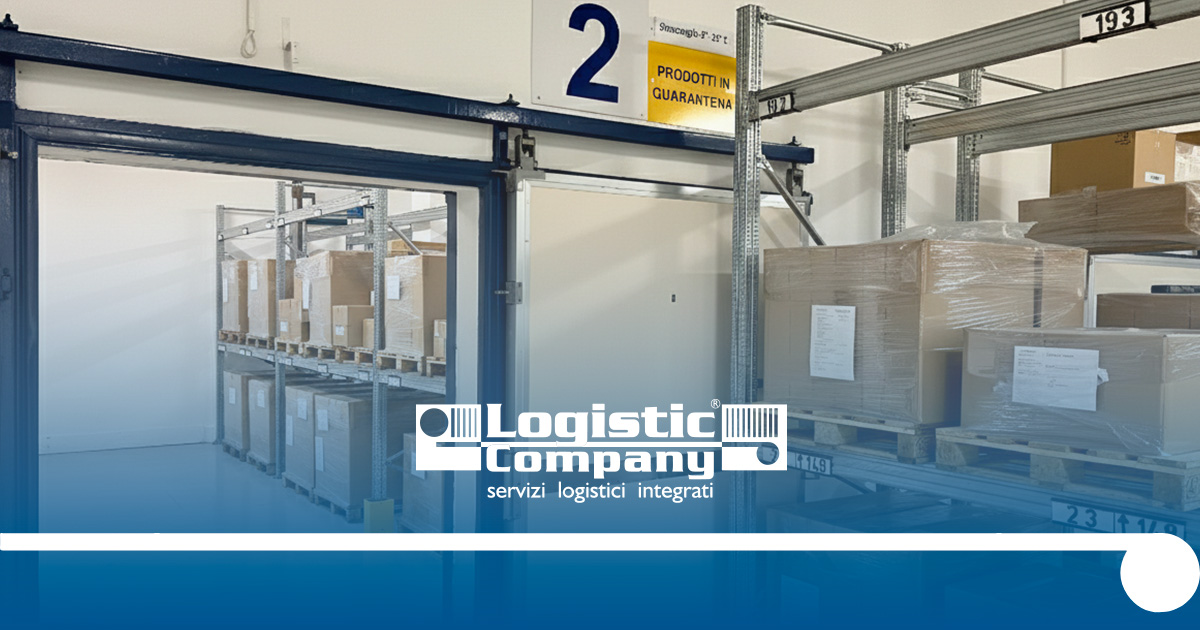
- Temperature-controlled warehouses: cold rooms and dedicated areas with continuous temperature and humidity monitoring, designed for different types of products.
- Temperature-controlled transport: isothermal or refrigerated vehicles, specialized containers with sensors that constantly record the conditions throughout the journey.
- Digital monitoring and traceability: advanced software allows you to follow each pallet or shipment in real time, generating automatic reports and alerts in case of anomalies.
- Standard and compliant procedures: Loading, storage and handling operations follow strict protocols and procedures to ensure safety, compliance and quality throughout the supply chain.
With this integrated approach, companies can reduce the risks of spoilage, returns and waste, ensuring safe and quality products all the way to the end customer.
Regulations and reference standards
Cold chain management must comply with strict regulations to ensure product safety and quality. In the pharmaceutical sector, it is essential to comply with standards such as GDP (Good Distribution Practices) and GMP (Good Manufacturing Practices), while for food and cosmetics, protocols such as HACCP and specific ISO standards are followed.
The complete traceability of products throughout the supply chain, combined with constant monitoring of temperatures, makes it possible to demonstrate compliance with national and international regulations.
How Logistic Company supports temperature-controlled companies
Entrusting the management of the cold chain to a specialized partner such as Logistic Company means transforming a complex activity into a strategic advantage.
With expertise in the pharmaceutical, food and cosmetics industries, advanced monitoring systems and standardized processes, our customers can count on strict temperature adherence and full regulatory compliance, reducing risk, time and costs.
Moreover, our flexible services allow you to manage peaks in demand, seasonality or new product launches efficiently, while our warehousing, transport and inventory management activities are optimized to ensure the highest quality and integrity of the final product (e.g Active Pharmaceutical ingredients).
In this way, client companies can concentrate on their core business by entrusting complex logistics issues to an external partner who specialises in cold chain management.



Leave A Comment
You must be logged in to post a comment.