
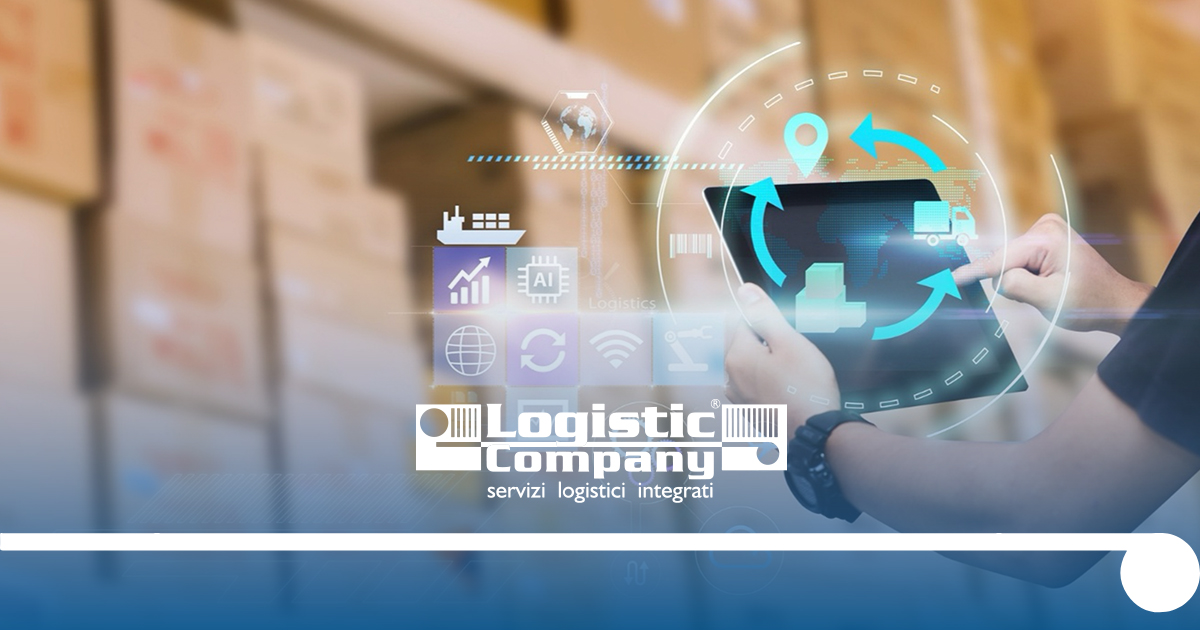
What’s New in Artificial Intelligence applied to Logistics: The Era of the Predictive Supply Chain
In 2026, digitalization is no longer just an accessory for shipping and warehousing.
The logistics industry has reached an inflection point where AI has gone from being an experimental technology to being a daily operational tool.
For highly specialized companies such as Logistic Company, the combination of artificial intelligence innovation and maximum regulatory compliance is the real key to ensuring the integrity of the supply chain.
1. Logistics 4.0: the predictive turning point for the chemical and pharmaceutical sector
The real novelty this year lies in the transition to “AI-native” systems, capable of making proactive decisions in real time.
In the management of sensitive goods, where temperature changes or delays of a few hours can compromise an entire batch of APIs (active ingredients) or life-saving drugs, logistics 4.0, supported by the predictive algorithm, makes the difference.
Today, AI is able to:
- Predict thermal anomalies during GDP transports of high value pharmaceutical and biological products before they occur by instantly recalculating routes or airflows in refrigerated compartments.
- Manage document compliance in an automated way, minimizing bureaucratic bottlenecks at customs for chemical and pharmaceutical shipments to zero.
- Simulate supply chain stress scenarios, integrating IoT sensor data and anticipating any stock-outs of starting materials.
As highlighted by the official Gartner report on supply chain technology trends, artificial intelligence applied to the supply chain is a fundamental asset to protect companies from fluctuations in international markets.
2. Warehouse automation and industry 4.0 in GMP warehouses
If transport planning benefits from predictive algorithms, the physical management of goods finds its maximum expression in warehouse automation guided by Industry 4.0 standards.
In GMP warehouses, where the stringency of the guidelines does not allow margins of error on batches, deadlines and segregation of chemical or pharmaceutical products, AI supports management systems (WMS) in a accurate way.
AI-augmented security and quality control
Modern AI-based machine vision systems instantly identify any micro-damage to packages or anomalies in the secondary packaging of cosmetics and supplements being received.
This level of precision does not exclude human input, but increases it: highly qualified personnel are relieved of the most repetitive tasks to focus on quality control and supervision of sensitive processes, drastically reducing the risk of non-compliance.
3. Towards a secure, integrated and resilient supply chain
The use of AI in the healthcare and chemical supply chain is not a race to the latest software, but a strategic path.
To ensure that innovation is synonymous with safety, you need a logistics partner who has a deep knowledge of the regulations and knows how to apply technology in full compliance with the most stringent regulations.
Your supply chain deserves technological excellence and maximum regulatory compliance.



Leave A Comment
You must be logged in to post a comment.